The Intimacy of Ryokans: Architecture and Kaiseki Rhythms
Index of Sections
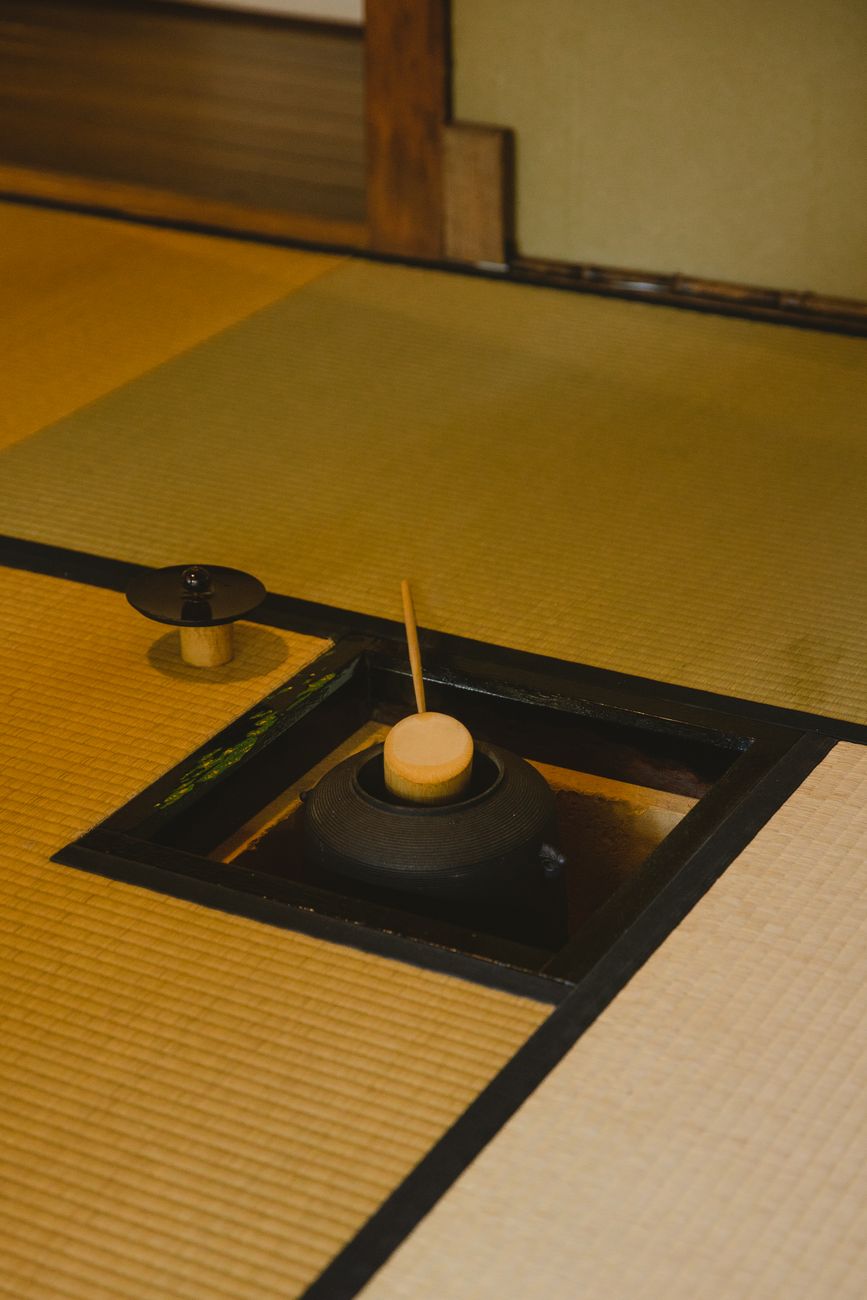
In traditional Japanese hospitality, luxury is not measured by gilded embellishments or imposing scale, but by the precise elimination of superfluous noise. Stepping across the threshold of a historic ryokan in the cedar hills surrounding Kyoto or the hot spring ravines of Hakone, one removes their outdoor footwear and steps onto woven rush tatami mats, symbolically shedding the haste of the external world.
The Aesthetics of Shadows and Tatami Ratios
Japanese architectural master builders have understood for centuries that light is most evocative when softened by translucent washi paper. Shoji screens diffuse harsh sunlight into a warm, uniform glow, illuminating the delicate grain of unvarnished hinoki cypress walls.
“We find beauty not in the thing itself, but in the patterns of shadows, the light and the darkness, that one thing against another creates.”
The layout of each guest chamber is dictated by the proportion of standard tatami mats (known as the kiwari-jutsu proportional system). There are no static beds or bulky armchairs; instead, the space adapts dynamically throughout the diurnal cycle. In the morning, an empty floor opens toward a private moss garden; by nightfall, attendants unroll plush cotton futons scented with sun-dried grass.
The Twenty-Four Micro-Seasons of Kaiseki
The evening meal in a traditional ryokan is an exercise in cultural meditation. Rather than adhering to conventional four-season calendars, Japanese culinary masters honor nijūshi sekki—the division of the year into twenty-four distinct solar micro-seasons.
Each dish presented in multi-course kaiseki reflects exact botanical shifts: young bamboo shoots simmered in dashi during the early spring rains; sweet river ayu fish grilled over charcoal in midsummer; or matsutake mushroom consommé served inside lidded earthenware pots during the crisp days of October. The ceramics and lacquerware bowls are chosen with equal precision, harmonizing with seasonal hues.
Onsen Waters: Thermal Purification
Central to the ryokan ritual is the immersion in natural geothermal springs (onsen). Deep subterranean waters, enriched with silica, sulfur, and bicarbonate minerals, flow continuously through hand-hewn stone basins and aromatic wooden cypress tubs.
Bathing under an open evening sky while autumn maple leaves drift onto hot water vapors is an ancient form of physical restoration. It recalibrates the nervous system and fosters deep, undisturbed sleep.
Mindful Etiquette for the Traveling Guest
Visiting a heritage ryokan requires sensitivity to centuries-old customs:
- Respect the Footwear Boundary: Always exchange outdoor shoes for indoor slippers at the genkan threshold, and remove slippers before stepping onto tatami.
- Bathing Ritual: Wash thoroughly at the washing stations before entering the shared hot spring water to maintain communal cleanliness.
- Punctuality for Meals: Kaiseki is coordinated with extreme kitchen precision; respect agreed dining times to enjoy ingredients at their culinary peak.