Southern Solitude: Traversing Glacial Rivers in Patagonia
Index of Sections
Few places on planet Earth evoke the feeling of elemental vulnerability as vividly as Southern Patagonia. Spanning the jagged southern tips of Chile and Argentina, this vast expanse of glacial fields, wind-lashed lakes, and granite spires stands as a humbling reminder of nature’s monumental power.
The Edge of Known Geography
Here, the South American continent frays into an intricate maze of fjords, glacial tongues, and sub-Antarctic archipelagoes. The Southern Patagonian Ice Field, one of the largest non-polar ice masses on Earth, feeds dozens of colossal glaciers that groan, fracture, and collapse into milky turquoise glacial lagoons with thunderous reverberation.
“To stand before the wall of blue ice in Patagonia is to witness geological time unfolding within the human minute. It strips away our urban pretenses of control.”
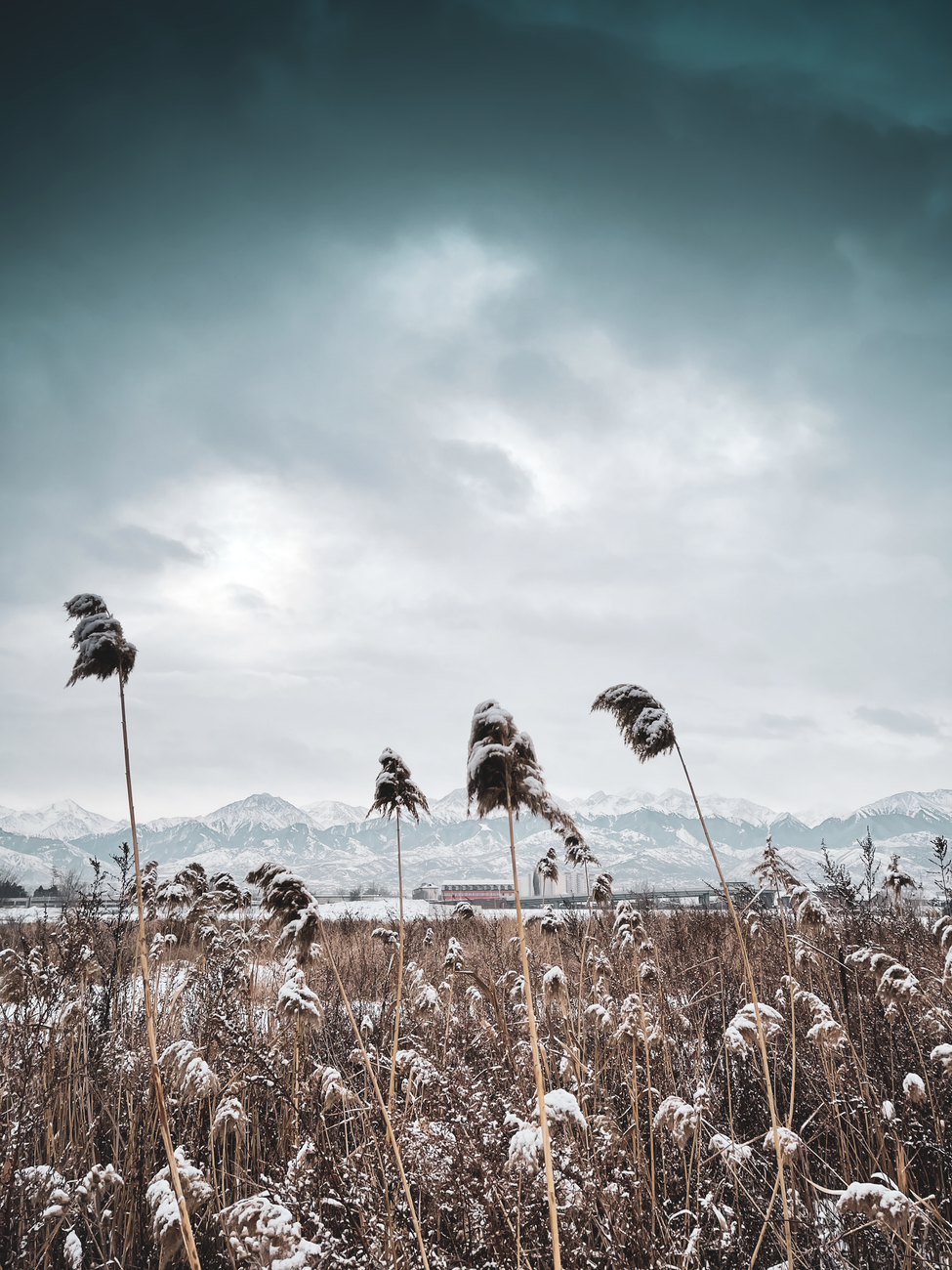
Walking the backcountry trails around the Torres del Paine massif or the Mount Fitz Roy granite needles requires an acceptance of dynamic weather systems. A morning of bright sunshine can yield within minutes to horizontal squalls of sleet, swept forward by ferocious westerly winds born over the open Pacific.
The Mechanics of Wind and Glacial Carving
The prevailing winds—known colloquially as the Roaring Forties and Furious Fifties—sweep across unobstructed ocean water before slamming directly into the Andean spine. This relentless kinetic force shapes everything in its path: twisted southern beech forests (lenga) grow stunted at forty-five-degree angles, while fine glacial silt is whipped across mountain lakes into iridescent plumes of mist.
For the traveler, moving through this landscape demands an acute attention to environmental markers. One learns to read the lenticular clouds hovering like flying saucers above high peaks as harbingers of approaching gale-force winds.
Gaucho Heritage in the Dry Steppes
East of the snowcapped Andes, the topography flattens abruptly into the semi-arid Patagonian steppe. Here, among yellow needlegrass and grazing herds of wild guanacos, the legendary gaucho culture persists. Living on remote sheep stations (estancias), these horsemen embody an austere self-reliance forged by vast distances and ferocious winters.
Sharing traditional mate tea—drawn through a silver straw (bombilla) from a cured gourd—by a crackling hearth in a wooden outpost offers an unforgettable glimpse into human warmth in an otherwise desolate wilderness.
Expedition Gear Philosophy and Preparation
When preparing to traverse these extreme southern corridors:
- Wind Protection: Standard rain shells are insufficient; ensure your outer layer has reinforced seams, rigid storm hoods, and robust zippers capable of withstanding 100 km/h gusts.
- Layering Strategy: Utilize hydrophobic merino wool base layers and high-loft synthetic mid-layers that retain insulation even in damp conditions.
- Safety Logistics: Satellite communication devices and independent emergency shelters are essential whenever departing established trail corridors.