Silent Valleys: Exploring the Dolomite Mountain High Passes
Index of Sections
In the high altitude amphitheaters of northern Italy, twilight does not descend with sudden gloom; instead, it catches fire. The limestone spires of the Pale Mountains—imbued with prehistoric coral remnants—absorb the departing crimson daylight in a phenomenon the locals call enrosadira. For the quiet traveler, this transformation marks the boundary between the physical rigor of mountain ascent and the contemplative stillness of alpine lodging.
The Geometry of Limestone Monoliths
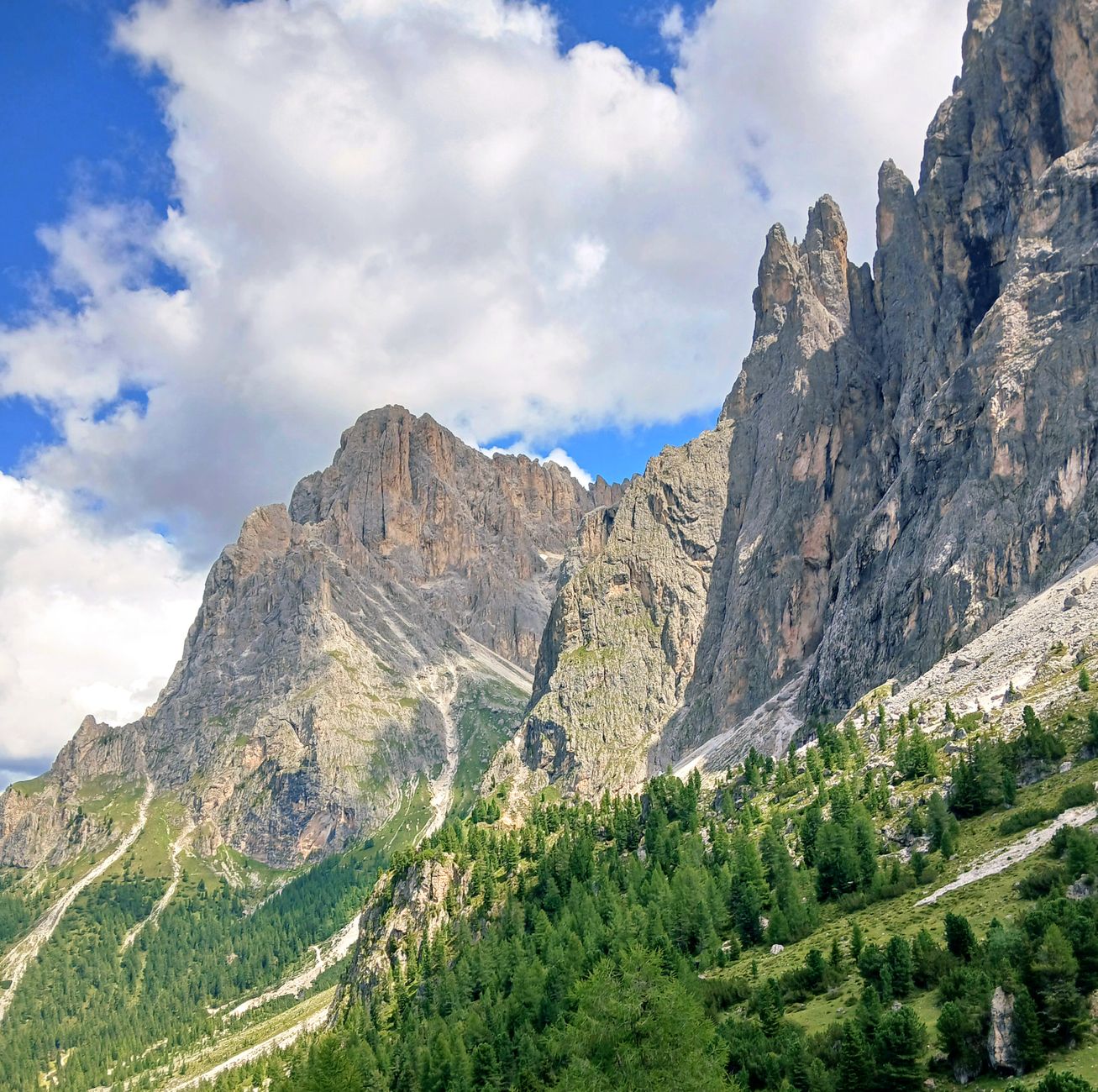
Ascending the passes between Val Gardena and Cortina d'Ampezzo reveals an architecture sculpted not by architects, but by millions of years of oceanic sedimentation and glacial scouring. Unlike the jagged granite needles of the Western Alps, the Dolomites present vertical ramparts and pale plateau surfaces that evoke fortified cities suspended in cloudbanks.
“The silence at 2,500 meters is not an absence of sound, but an amplification of natural cadence—the whisper of wind through dry mountain pine, the crackle of shale underfoot, and the slow bell of grazing cattle far below.”
Traveling these paths off-season, during late autumn when the larch forests shift from emerald to brilliant amber, restores a lost sense of grandeur. The trails are deserted, leaving only the traveler, the altitude, and the austere presence of ancient stone walls towering into cobalt skies.
Ladin Agrarian Traditions and High Pastures
Beyond the topographic spectacle, these valleys are home to the Ladin culture, an autonomous linguistic pocket that has inhabited these mountains since Roman antiquity. In high hamlets, vernacular wooden structures known as viles demonstrate sustainable timber joinery engineered to survive ferocious winter blizzards.
Gastronomy here is born of preservation and scarcity: rye flatbreads infused with wild fennel, dumplings composed of aged mountain cheeses and wild chives, and delicate broths prepared from root vegetables grown in mineral-dense soils. Dining inside a stube—a wood-paneled room centered around a stone hearth—offers comfort unmatched by any metropolis.
The Refuge as Solitary Contemplation
To experience these mountains completely, one must leave luxury valleys behind and lodge in high-altitude rifugi. These stone refuges, accessible only on foot or via historic pack trails, provide basic comforts: a clean bunk, hot vegetable soup, and an unmediated relationship with dawn breaking over the jagged horizon.
Here, conversation turns naturally to route conditions, weather shifts, and mutual respect for terrain. Without cellular intrusion, travelers regain the unhurried capacity to write, sketch, and simply observe the celestial dome unpolluted by artificial luminescence.
Field Notes and Practical Logistics
For those preparing an itinerary through these high passes:
- Optimal Season: Late September through mid-October avoids alpine storm seasons while offering the stark beauty of golden larches.
- Gear Philosophy: Prioritize breathable windproof layers, sturdy Vibram-soled leather footwear, and minimal pack weight to respect the physical exertion required.
- Stewardship: High meadows are delicate ecosystems; remain strictly on marked trails and practice absolute leave-no-trace principles.